
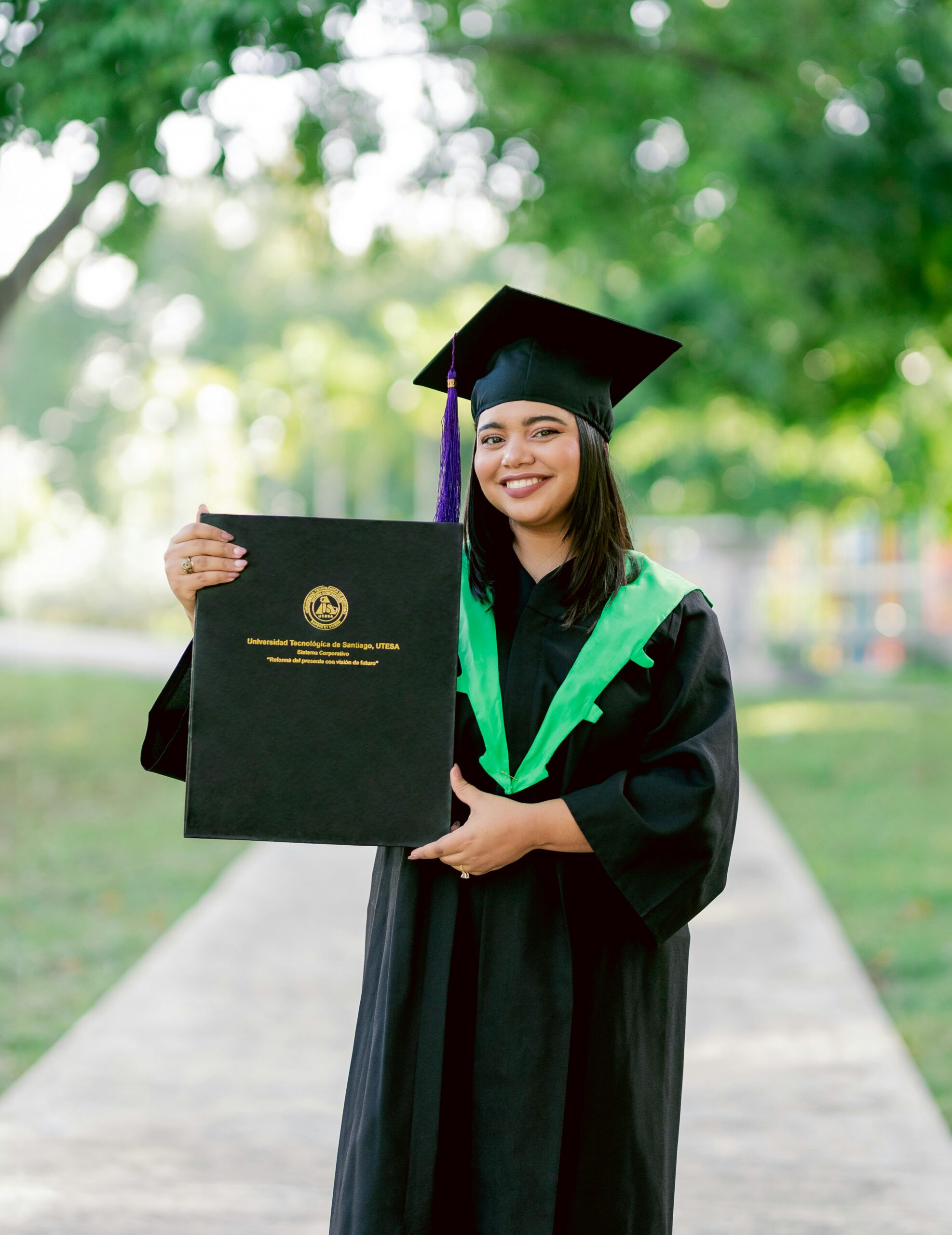
Studying in the United States can be expensive, but fully funded scholarships in USA can make a U.S. education possible for international students who would otherwise struggle with the cost.
The important thing is knowing where to look. There is no single scholarship that covers every international student, every degree and every university. Some opportunities fund graduate study, some support mid-career professionals, while some universities provide need-based financial aid that can cover the full demonstrated cost of attendance.
For the 2026/2027 cycle, international students should look beyond generic scholarship lists and focus on official programmes, university financial-aid policies and funding opportunities that match their academic level.
This guide highlights some of the most important options to investigate and explains how to approach them realistically.
What Do Fully Funded Scholarships in USA Usually Cover?
The phrase fully funded scholarships in USA can be misleading because funding packages are not identical.
Depending on the programme, funding may cover some or all of the following:
- Tuition and mandatory fees
- Accommodation
- Food or living expenses
- Health insurance
- Books and academic materials
- Airfare or travel expenses
- Research expenses
- Visa-related support
- A monthly stipend
- Professional development expenses
Some programmes cover almost the entire cost of participation.
Others may cover tuition but leave students responsible for living expenses.
And some universities do not call their awards “fully funded scholarships” at all. Instead, they provide need-based financial aid that can cover 100% of a student’s demonstrated financial need.
That distinction is important when comparing opportunities.
If you are still figuring out where to begin, our guide on how to get a fully funded scholarship to study abroad explains the broader application process, from choosing suitable programs to preparing a stronger scholarship application.
Best Fully Funded Scholarships in USA for International Students 2026/2027
Rather than presenting a huge list of questionable scholarships, here are several established opportunities and funding routes worth investigating.
1. Fulbright Foreign Student Program
The Fulbright Foreign Student Program is one of the most important U.S. funding opportunities for international students.
It supports foreign students, young professionals and artists who want to study or conduct research in the United States.
The programme operates in more than 160 countries and awards approximately 4,000 foreign students each year.
The programme generally supports graduate-level study and research rather than ordinary undergraduate admission.
What does Fulbright cover?
The exact award package can vary according to the country and programme.
Official Fulbright information lists benefits including:
- J-1 visa sponsorship
- Funding support
- Health benefit coverage
- Enrichment activities
This is why applicants should avoid relying on a generic Fulbright checklist found on another website.
The programme is administered through Fulbright Commissions, Foundations or U.S. Embassies, and eligibility and selection procedures can vary considerably from one country to another.
Who should consider Fulbright?
Fulbright is particularly relevant if you are:
- A non-U.S. citizen
- Planning graduate study or research in the United States
- Academically strong
- Able to demonstrate leadership or potential
- Prepared to meet the requirements established by your home-country Fulbright office
The first step is therefore not filling out a random online application.
Find the Fulbright office responsible for your country and check its current call.
2. Knight-Hennessy Scholars at Stanford University
For international students interested in graduate study, Stanford’s Knight-Hennessy Scholars programme is another major opportunity.
The programme is open to applicants from all countries and provides up to three years of financial support for graduate study at Stanford.
For the 2027 cohort, the Knight-Hennessy application deadline is:
October 6, 2026 at 1:00 p.m. Pacific Time.
There is an important detail here.
You don’t simply apply to Knight-Hennessy and forget about Stanford admission.
Applicants must submit:
- A Knight-Hennessy Scholars application
- A separate Stanford graduate programme application
The two applications are submitted concurrently, although the Stanford degree-program deadline depends on the programme.
Who can apply?
Knight-Hennessy does not restrict applicants based on citizenship, age, college or university, field of study or career aspiration.
However, applicants must meet the programme’s degree and admission requirements.
For the 2027 cohort, applicants generally need to have earned their bachelor’s degree in 2020 or later, with different rules for certain military applicants and current Stanford PhD students.
What does Knight-Hennessy look for?
Stanford says the programme looks for evidence of:
- Independence of thought
- Purposeful leadership
- A civic mindset
So this is not simply a scholarship where having the highest GPA guarantees success.
Your story, leadership and future direction matter.
The United States is not the only destination with major scholarship opportunities. If you are open to studying elsewhere, our guide to fully funded scholarships in Europe for international students is a useful place to compare alternatives.
3. Hubert H. Humphrey Fellowship Program
The Hubert H. Humphrey Fellowship Program is another major U.S. government-funded opportunity for international professionals.
But there is a critical difference:
It is not a degree-granting scholarship.
The programme is designed for experienced professionals who want to strengthen their professional knowledge and leadership skills through graduate-level academic and professional experiences in the United States.
What does the Humphrey Fellowship cover?
The official programme lists benefits including:
- Tuition and fees at the assigned host university
- Living allowance
- Settling-in allowance
- Accident and sickness coverage
- Book allowance
- One-time computer subsidy
- International and required domestic travel
- Professional development allowance
That makes it one of the more comprehensive funding opportunities available to eligible international professionals.
Who is eligible?
Applicants generally need:
- Citizenship of an eligible country
- An undergraduate degree
- At least five years of full-time professional experience
- Demonstrated leadership
- A record of public service or community involvement
- Limited prior experience in the United States
- English-language ability
Applications are handled through the U.S. Embassy or relevant Fulbright Commission in the applicant’s country, and deadlines vary by country.
This makes the Humphrey Fellowship particularly unsuitable for a fresh high-school graduate looking for an undergraduate scholarship.
4. Yale University Financial Aid for International Students
Not every opportunity for fully funded scholarships in USA comes in the form of a named scholarship.
Yale is an excellent example.
Yale says international students are eligible for the same need-based financial aid as domestic students, and the university meets 100% of demonstrated financial need.
Yale also states that its financial aid awards are scholarships rather than loans.
That can make Yale a realistic funding route for an international undergraduate applicant with significant demonstrated financial need.
How Yale’s system works
The important point is that you don’t necessarily win a separate “Yale fully funded scholarship.”
Instead:
- You apply for admission.
- You indicate that you need financial aid.
- Yale assesses your demonstrated financial need.
- If admitted and eligible, Yale provides an aid package based on that need.
Yale says its financial aid can include allowances for housing, meals and travel to and from campus for international students.
Is Yale actually free for every international student?
No.
Your financial aid depends on your family’s demonstrated financial need.
Yale’s policy is generous, but it is not a blanket scholarship for every international applicant.
That distinction is worth understanding before applying.
5. Harvard Financial Aid for International Students
Harvard offers another example of why international students should search for financial aid, not just scholarships.
Harvard states that international students have access to financial aid on the same basis as U.S. students.
The university also follows a need-blind admission policy and says it meets 100% of demonstrated financial need.
That can make Harvard one of the most financially accessible U.S. universities for an admitted international student with significant financial need.
Harvard’s financial aid is need-based
This is important.
Harvard is not saying:
“Every international student gets a full scholarship.”
Instead, the university determines financial need and builds an aid package accordingly.
For 2025/26, Harvard states that families with incomes below $100,000 are not expected to contribute under its standard policy, while families below $200,000 receive aid covering at least tuition, depending on circumstances.
Those figures are policy-specific and can change, so applicants should always check Harvard’s current financial-aid information before applying.
6. EducationUSA Scholarship and Financial Aid Opportunities
If you want to find more fully funded scholarships in USA, don’t rely only on Google searches.
EducationUSA, a U.S. Department of State network, maintains a searchable database of financial-aid and special opportunities for international students.
The database includes opportunities from different U.S. universities and organisations.
Current listings include examples such as:
- Full-tuition scholarships
- International student scholarships
- Graduate scholarships
- Merit awards
- Tuition waivers
- Country-specific opportunities
This is useful because there are hundreds of individual opportunities, and they don’t all have the same eligibility requirements.
Instead of asking:
“What is the one best scholarship in America?”
ask:
“Which universities and funding programmes fit my profile?”
That’s a much more productive approach.
Fully Funded Scholarships in USA for Undergraduate Students
Undergraduate funding works differently from graduate funding.
International students often have fewer government-sponsored options, but some U.S. universities provide generous institutional financial aid.
Yale and Harvard are examples.
EducationUSA’s financial-aid database also contains university-specific opportunities for international students.
Some universities offer:
- Full-tuition awards
- Partial tuition scholarships
- Need-based aid
- Merit scholarships
- Tuition waivers
- Room and board assistance
The important thing is to check whether the award covers the entire cost of attendance or only tuition.
A full-tuition scholarship can still leave you paying for:
- Housing
- Food
- Insurance
- Books
- Transportation
- Personal expenses
So don’t automatically describe a full-tuition award as fully funded.
Scholarships are not always offered as standalone awards. Many universities provide their own financial-aid packages, so it is worth looking beyond scholarship databases and checking universities abroad offering scholarships directly.
Fully Funded Scholarships in USA for Master’s Students
Master’s funding can be more complicated.
Some U.S. universities offer graduate assistantships, fellowships or departmental funding rather than a single scholarship covering every expense.
For international Master’s applicants, investigate:
- University fellowships
- Graduate assistantships
- Research assistantships
- Teaching assistantships
- Departmental scholarships
- External scholarships
- University-specific tuition awards
Knight-Hennessy is particularly relevant for eligible Stanford graduate applicants, although the program covers only qualifying Stanford graduate pathways and requires a separate graduate-program application.
Finding Master’s funding often requires more research than simply searching for a scholarship with “fully funded” in its title. Our guide on how to find fully funded scholarships explains how to narrow opportunities by degree level, field and eligibility.
Fully Funded Scholarships in USA for PhD Students
PhD applicants should take a different approach.
Many U.S. doctoral programmes provide funding through combinations of:
- Tuition support
- Stipends
- Research assistantships
- Teaching assistantships
- Fellowships
- Health insurance or other benefits
This means a PhD applicant should investigate the funding structure of the specific department, not simply search for external scholarships.
A university may admit a student with a funded PhD offer without calling it a “fully funded scholarship.”
That can still be a very valuable funding arrangement.
How Much Money Do You Need If You Win a Scholarship?
This is one of the most important questions applicants overlook.
Suppose a scholarship covers tuition.
You could still need money for:
- Rent
- Food
- Health insurance
- Transportation
- Books
- Visa-related expenses
- Personal costs
- Flights
On the other hand, a comprehensive fellowship such as Humphrey includes tuition, living support, insurance, travel and other allowances.
So before accepting an award, calculate the difference between:
Total cost of attendance − confirmed funding = amount you may need to provide yourself.
That number is far more useful than the phrase “fully funded.”
How to Find More Fully Funded Scholarships in USA
Use this process instead of copying lists from social media.
1. Start with your degree level
Ask whether you’re looking for:
- Undergraduate
- Master’s
- PhD
- Research
- Professional fellowship
This immediately removes many irrelevant scholarships.
2. Search by field
A computer science applicant should not search the same scholarship database in exactly the same way as someone studying public health or international development.
Check university funding
Look directly at the university’s financial-aid and scholarship pages.
Some of the most generous opportunities are institutional rather than government scholarships.
3. Search EducationUSA
EducationUSA provides a dedicated database of financial-aid opportunities for international students.
Check your country’s U.S. Embassy or Fulbright office
This is particularly important for programmes such as Fulbright and Humphrey, where the application process can be administered locally and deadlines can differ by country.
How to Know If a U.S. Scholarship Is Really Fully Funded
Before applying, ask these questions.
Does it cover tuition?
If not, calculate the remaining tuition yourself.
Does it cover living expenses?
A tuition scholarship is not necessarily a full scholarship.
Does it cover accommodation?
Check whether housing is included or whether a housing allowance is provided.
Does it provide health insurance?
Don’t assume that it does.
Does it cover travel?
Look for specific wording about airfare or travel allowances.
How long does the funding last?
A one-year scholarship isn’t equivalent to four years of undergraduate funding.
Is it available to international students?
Some scholarships are restricted to U.S. citizens or permanent residents.
Is it open for your degree?
A scholarship for doctoral students won’t help someone applying for a Bachelor’s degree.
Documents You May Need
Requirements vary by scholarship, but international applicants should be prepared for documents such as:
- Academic transcripts
- Certificates
- CV or résumé
- Personal statement
- Essays
- Recommendation letters
- Proof of English proficiency
- Passport
- Research proposal, where required
- Financial documents
- University application materials
Don’t wait until the scholarship deadline before requesting recommendation letters or academic records.
What Makes a Strong Scholarship Applicant?
Winning a major scholarship is rarely about having one impressive number.
Strong applicants usually present a convincing combination of:
1. Academic ability
Your grades should demonstrate that you can handle the proposed programme.
2. Leadership
Show what you have actually done rather than simply describing yourself as a leader.
3. Purpose
Explain what you intend to do with your education.
4. Relevant Experience
Research, volunteering, employment, internships or community projects can strengthen an application when they connect naturally to your goals.
5. A clear story
Your application should make sense from beginning to end.
The committee should understand:
where you have been → what you want to study → why this programme → what you plan to do afterward.
Common Mistakes International Students Make
1. Applying only to famous universities
Harvard, Yale and Stanford are excellent institutions, but they are also extremely competitive.
Don’t make your entire study plan depend on three universities.
2. Assuming full tuition means fully funded
It doesn’t.
Calculate the remaining living expenses.
3. Using outdated scholarship information
Deadlines change.
Eligibility changes.
Funding packages change.
Always verify the current cycle.
4. Paying an agent for a “guaranteed scholarship”
No legitimate scholarship should require you to pay someone because they promise that you will definitely win.
Be particularly careful with social-media scholarship scams.
5. Sending the same essay everywhere
Your application should be tailored to the scholarship and university.
6. Ignoring university financial aid
Some of the strongest funding opportunities are not advertised as standalone scholarships.
Harvard and Yale demonstrate how institutional financial aid can provide substantial support to international students.
A Practical 2026/2027 Application Strategy
If you’re serious about studying in the United States with substantial funding, don’t wait for one perfect scholarship.
Build a funding strategy.
1. Create a shortlist
Choose perhaps 8–12 universities or programmes that genuinely fit your academic profile.
2. Separate your options
Create three categories:
High reach: extremely competitive universities and scholarships.
Strong fit: programmes where your academic profile is competitive.
Safer options: universities where you have a realistic chance of admission and funding.
3. Record the funding details
For each option, write down:
- Tuition
- Scholarship amount
- Living allowance
- Insurance
- Housing
- Travel
- Deadline
- Eligibility
4. Start applications early
Some major 2027 opportunities already have deadlines in 2026.
For example, the Knight-Hennessy application for the 2027 cohort closes on October 6, 2026.
5. Apply for admission and funding correctly
Some universities require you to request financial aid during the admission process.
Others use separate scholarship applications.
Follow the institution’s instructions rather than assuming every university works the same way.
Can International Students Really Study in the USA for Free?
Sometimes, yes — but “free” needs context.
An international student who receives a comprehensive scholarship or an institutional financial-aid package covering their full demonstrated need may have little or no direct tuition and living-cost burden.
But that doesn’t mean every international student can attend a U.S. university for free.
The opportunity depends on:
- Admission
- Financial need
- Academic profile
- Scholarship eligibility
- University policy
- Degree level
- Available funding
That is why a realistic strategy is more useful than a promise of “free study in America.”
Final Thoughts On The Fully Funded Scholarships In USA For International Students
The best fully funded scholarships in USA are not necessarily the ones that appear most often on social media.
Some of the strongest opportunities are administered through major international programmes such as Fulbright and Humphrey. Others come from universities themselves.
Stanford’s Knight-Hennessy Scholars programme offers up to three years of graduate funding and is open to applicants regardless of citizenship.
Yale and Harvard demonstrate another route: international students can receive substantial need-based financial aid, with both institutions stating that they meet 100% of demonstrated financial need under their respective policies.
And EducationUSA provides a much broader database where international students can search for university-specific financial-aid opportunities.
The lesson is simple:
Don’t search for one magical scholarship. Build a funding strategy.
Find programmes that match your degree, field, nationality and academic profile. Check exactly what each award covers. Verify deadlines on the official website. Then apply early and carefully.
That approach gives you a much better chance of finding the funding that actually works for you.
Frequently Asked Questions About The Fully Funded Scholarships In USA For International Students
What are the best fully funded scholarships in USA for international students?
Major opportunities include the Fulbright Foreign Student Program, Knight-Hennessy Scholars and the Hubert H. Humphrey Fellowship. International students should also investigate university-specific financial aid at institutions such as Yale and Harvard.
Can international students get fully funded scholarships in USA?
Yes. International students can receive substantial scholarship or financial-aid support at U.S. universities and through international scholarship programmes. However, eligibility and coverage vary significantly.
Which U.S. scholarships cover tuition and living expenses?
Some comprehensive programmes cover both. The Humphrey Fellowship, for example, lists tuition, living support, insurance, travel and other allowances among its benefits.
Does Fulbright fund international students?
Yes. The Fulbright Foreign Student Program supports foreign students pursuing graduate study and research in the United States, with applications administered through Fulbright offices or U.S. Embassies.
Can international undergraduate students get full financial aid in the USA?
Yes. Some universities provide need-based financial aid to international undergraduates. Yale and Harvard are examples of institutions with significant need-based support for international students.
Is Knight-Hennessy available to international students?
Yes. The programme has no citizenship restriction, although applicants must also apply to and be admitted to an eligible Stanford graduate programme.
When is the Knight-Hennessy 2027 deadline?
The application deadline for the 2027 cohort is October 6, 2026 at 1:00 p.m. Pacific Time. Applicants must also meet the separate Stanford graduate programme deadline.
Where can I find more scholarships for international students in the USA?
EducationUSA maintains a searchable database of financial-aid and special opportunities for international students.